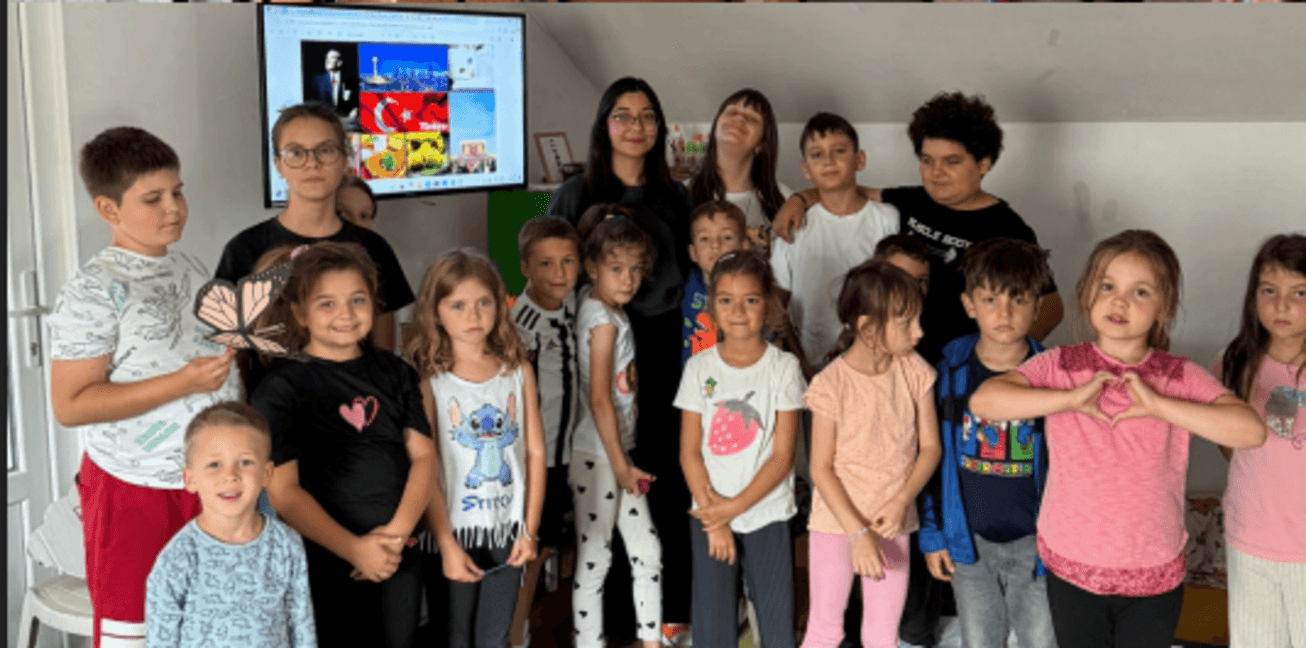
Image: Fingerprint [4 weeks]

Fingerprint [4 weeks]

Gradinita cu P.P. Daisy·Cluj-Napoca, România

Global Volunteer

Volunteer in NGOs, Schools, or Foundations in various Countries/Territories.

English

These are the locally spoken languages that you’ll have to know.
Project
The project aims to aims to impact the SDG #4 by developing high-level cognitive and transferable skills to people at all ages through activities and/or workshops connected to arts production (e.g painting, sculpture, music, theatre, photography...)
This project contributes to,
Image: Quality Education - Target 4.4

Quality Education - Target 4.4

By 2030, substantially increase the number of youth and adults who have relevant skills, including technical and vocational skills, for employment, decent jobs and entrepreneurship

Role

Project Activities

Week 1
Preparing the workshops: Adapting the planned activities based on feedback received from the educators and the AIESEC team.
Initial assessment through observation: Observing the children's level of interaction, communication skills, and preferences during free play, together with the educators.
Playful introductory session: Introducing the volunteers to the children through interactive icebreaker games (e.g., ball games for learning names, simple songs with movements).
Visiting the space and aligning with educators: Meeting with the kindergarten staff to understand the children's daily routine, age group needs, and safety rules.
Settling in, planning, and get-to-know-you games
Implementation plan and required materials: Establishing the daily schedule and preparing safe materials for children (colored paper, modeling clay/playdough, non-toxic glue, chalk, game props).
Week 2
Exploration through Arts & Crafts, movement, and culture
Discovering cultures through play and stories: Interactive workshops where volunteers introduce the children to traditions, greetings, songs, and dances specific to their countries, adapted for young children.
First steps in Arts & Crafts: Hands-on activities with varied and tactile materials — modeling clay/playdough sculpting, torn paper collages, making animal masks or greeting cards.
Team games and outdoor activities: Organizing games in the kindergarten yard (simple relays, visual-clue treasure hunts, sidewalk chalk drawings) to encourage cooperation.
Rhythm and poetry workshop: Learning short poems, fun rhymes, and simple choreographies that combine movement with language development.
Preparing the group mini-project: Dividing the children into small teams (under the volunteers' guidance) to start working on a joint creation (e.g., a decorative group board or props for the final celebration).
Week 3
Applied creativity and preparing for the final event
Creative challenge of the day: Short, fun activities with simple rules — for example, building a castle or an animal using only recyclable materials (cardboard tubes, corks, leaves).
Tracking individual progress: Observing each child's involvement and offering constant encouragement (through motivational stickers or symbolic weekly certificates) to boost their self-confidence.
Combined workshop (craft + role-play): Making stick puppets or cardboard crowns, followed by a small improvised puppet show or role-playing games based on a well-known story.
Rehearsals for the final moment: Practicing dances, songs, and finishing the arts & crafts objects made by the children, with feedback from the educators.
Child-adapted reflection circle: Short sessions at the end of the day where the little ones share or show through gestures which activity they liked best and what new things they learned.
Week 4
Exhibition, celebration, and impact evaluation
Collecting feedback: Applying age-appropriate methods for children (e.g., a smiley-face board for favorite activities) and collecting short questionnaires/interviews from educators and parents.
Analyzing the results: Evaluating the children's progress regarding openness to teamwork, creative expression, and interaction with international volunteers.
Final project report: Writing the impact report and presenting it to the AIESEC team and kindergarten management.
Closing Event (Celebration and Exhibition): Organizing a mini-exhibition featuring all the arts & crafts works created by the children throughout the month, accompanied by a short show of dances, songs, and poems for parents and educators.
Debriefing session: Final discussion between volunteers, educators, and AIESEC representatives regarding project successes, lessons learned, and recommendations for future editions.

Working hours

Monday to Friday

9:00 am - 5:00 pm

Process

The steps involved in being selected for this opportunity.
Estimated process time is not yet available.

Logistics

What you’ll be provided with during your stay

Benefits of becoming a Global Volunteer

Learn about the Sustainable Development Goals and participate in a social project designed for impact.
International Exposure - Experience new cultures and industries.
Develop your Leadership (our programs can help you develop the following leadership values: striving for excellence, demonstrating integrity, activating leadership, acting sustainably, enjoying participation and living diversity).
Receive AIESEC Support for Selection (assistance with your application to opportunities and decision making process).
Receive AIESEC Support after Selection (Visa support, help in finding and providing accommodation, assisting during first day of work).

FAQs